
Preparing the industrial base for when the Army’s FLRAA tiltrotor is built at scale
The program manager for the Future Long Range Attack Aircraft breaks down what the supply chain needs to be doing now for production.
The program manager for the Future Long Range Attack Aircraft breaks down what the supply chain needs to be doing now for production.

The Army has received its first two ITEP engines, and a re-engined Black Hawk will fly in late FY25/early FY26.


Cybersecurity skills must evolve in near-real time as Zero Day threats continue and AI provides new challenges.

The testing took place under "realistic battlefield conditions" and five UH-60V's completed a total of 200 flight hours, the Army says.
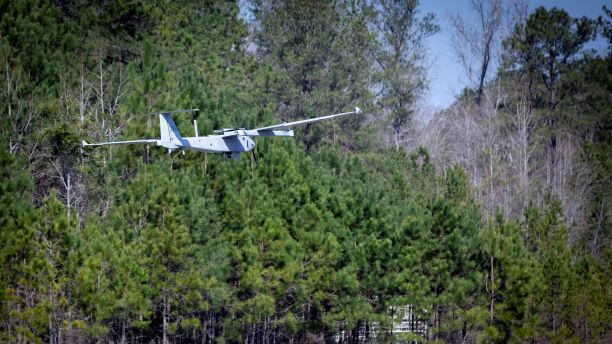
The Army will ship AeroVironment's JUMP 20 to a brigade to meet an immediate operational need to replace RQ-7 Shadow. The service is holding a separate competitive rapid prototyping effort for increment two.

If all options are exercised, the contract value could be $4.4 billion.

"[I] don't want to oversell it. We got way more work to do than what wins we made, but those were very encouraging signs," said Maj. Gen. Walter Rugen, director of the Future Vertical Lift Cross-Functional Team.


Blending superior optics, advanced stabilization and AI-powered autonomy in a compact and rugged system, ASELFLIR 600 delivers unmatched intelligence, surveillance and reconnaissance (ISR) capabilities.
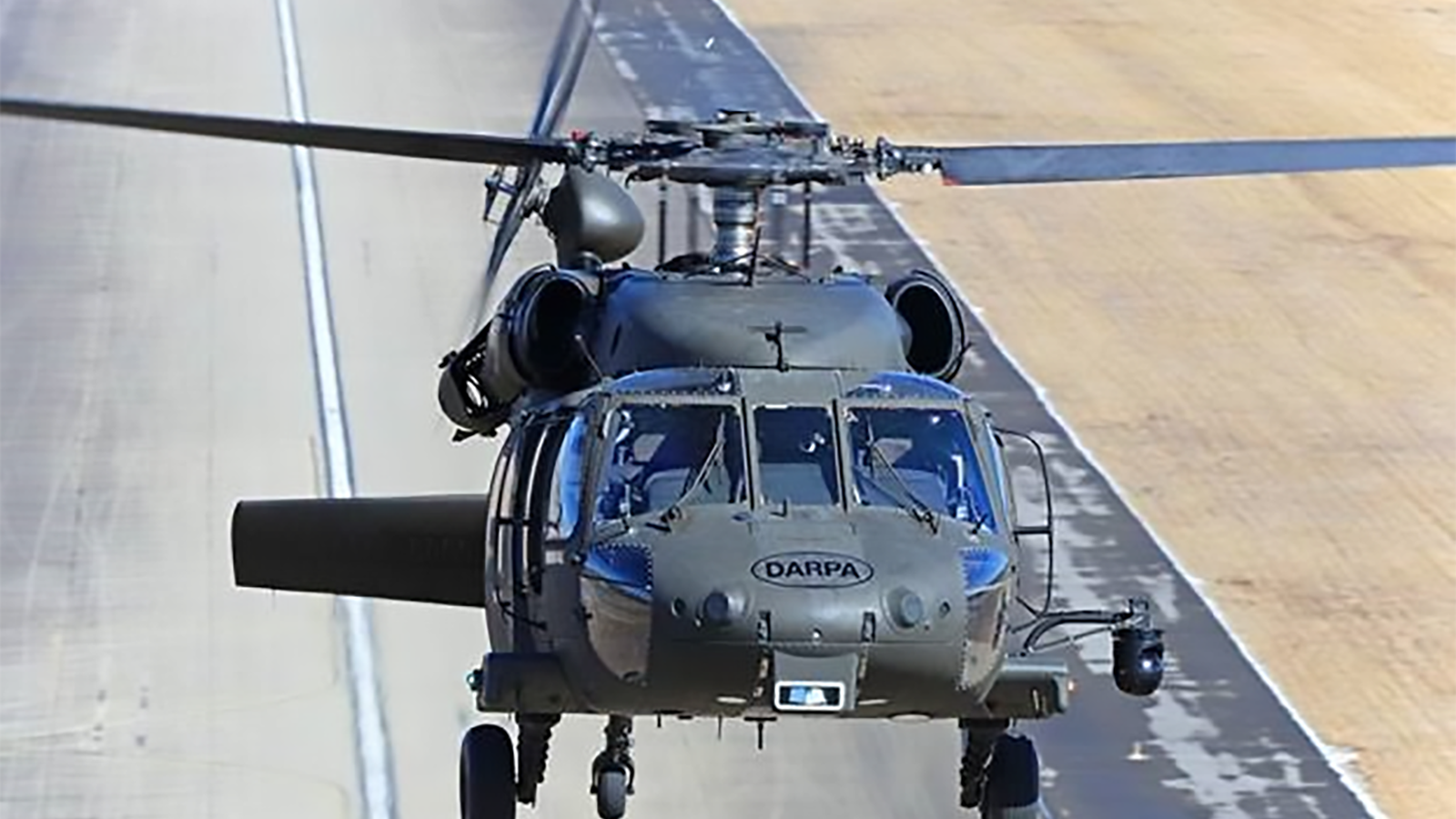
"I have a hard time believing we’re going to have 35 Rangers in the back of an aircraft and they’re going to go up and knock on the door of the cockpit and there’s no one in there,” said Gen. James McConville.
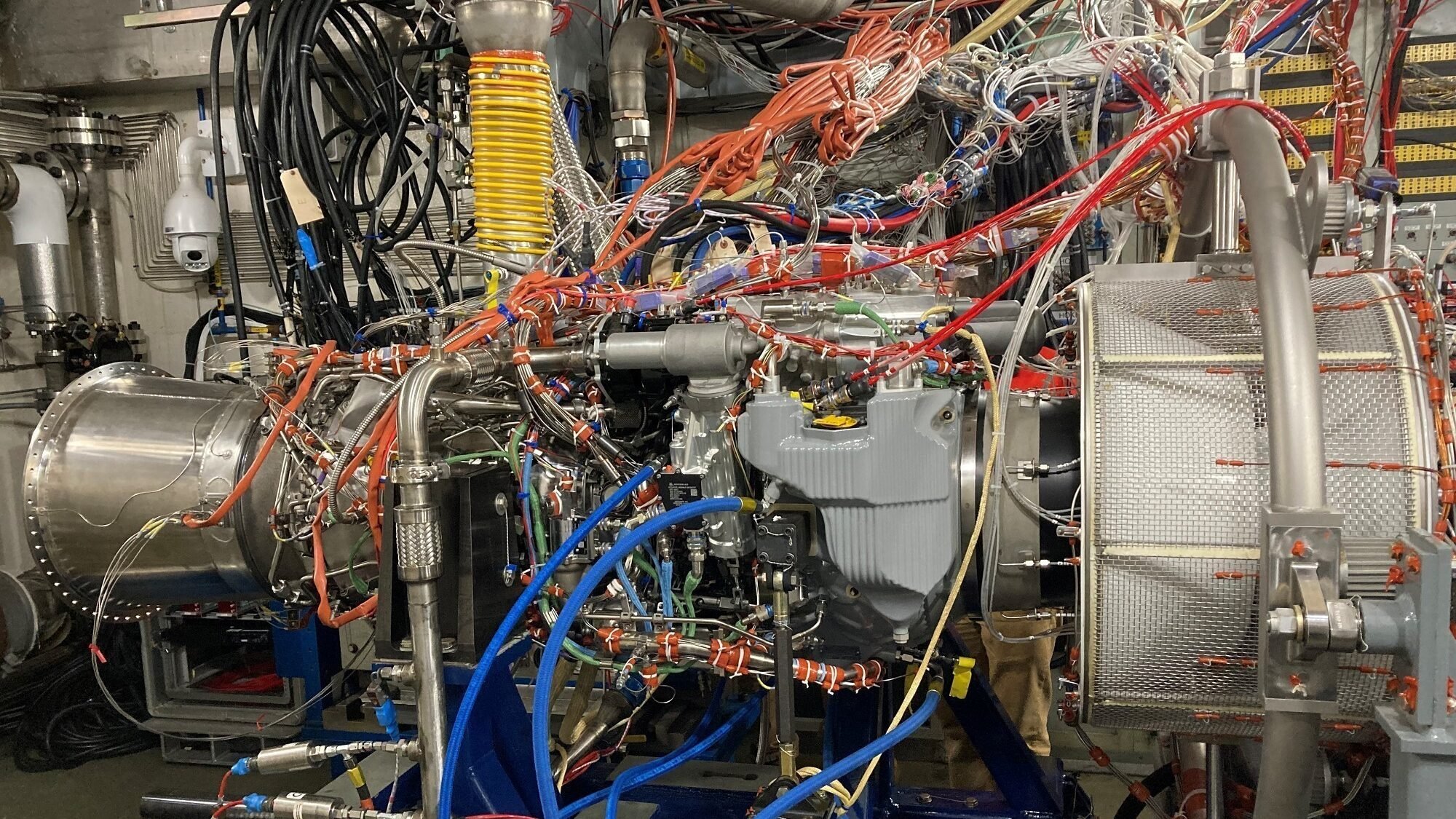
Both vendors for the Future Attack Reconnaissance Aircraft are waiting on the ITEP engine to fly their prototype recon helicopters.

The Army hasn't committed to a large purchase of the cargo choppers, despite congressional pressure.

“I think it's unanimous from all the soldiers involved that we got this one right,” said the Army’s project manager for the Future Tactical Unmanned Aerial System. Manned aircraft, FARA and FLRAA, are also moving out sharply.
Michigan’s defense ecosystem and expertise makes it a special asset for production.
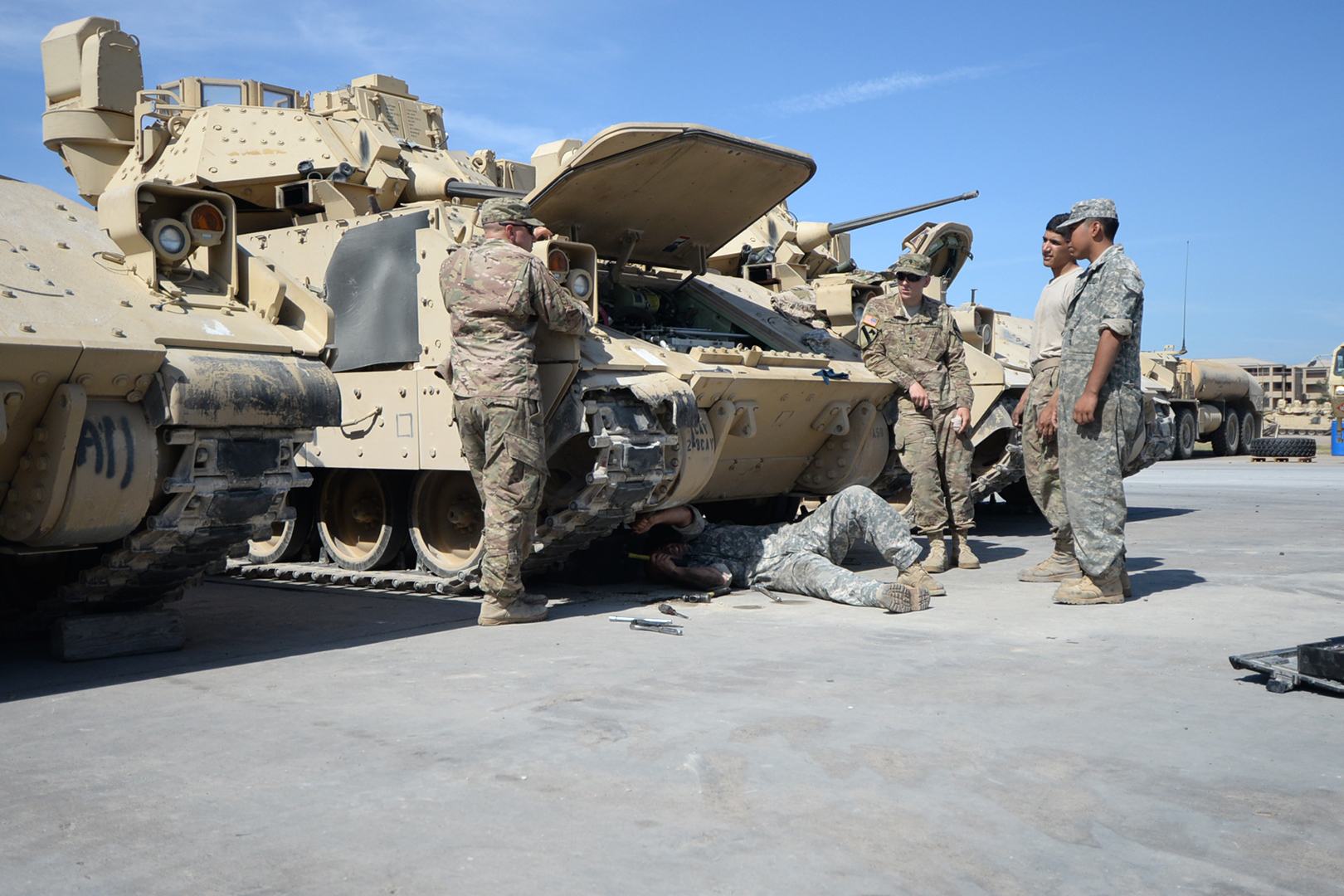
“Modular open systems architecture... is the foundation of all our future modernization,” said Brig. Gen. Glenn Dean. The Bradley replacement, OMFV, will be the test case.

The S-97 Raider is Sikorsky's proto-prototype for the Future Attack Reconnaissance Aircraft. It's competing with the Bell 360 Invictus -- but unlike the S-97, the 360 isn't flying yet.
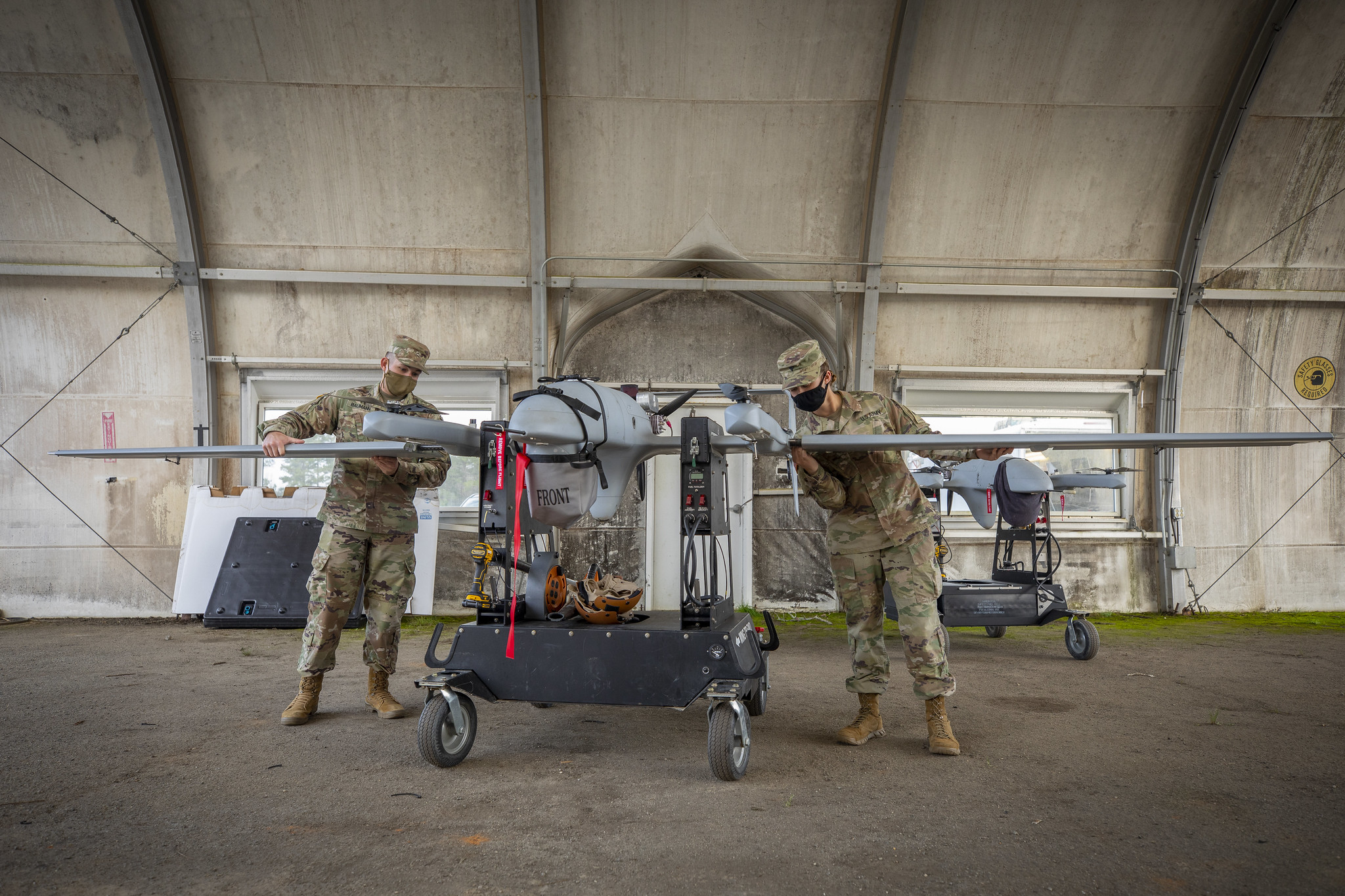
“Shadow could never fly in this type of moisture, couldn’t even come close,” Brig. Gen. Walter Rugen said, but all four FTUAS candidates made it through the rain. The formal Army Requirements Oversight Council process begins in weeks.

Bell and Sikorsky have started building their competing prototypes for the Future Attack Reconnaissance Aircraft (FARA) ahead of a Final Design Review in November. The vital digital architecture is still in development.